Veneers are thin shells permanently bonded to the front surface of teeth, fixing chips, cracks, yellowing, gaps, or poor tooth shape, without needing to grind down as much tooth as a crown. This article covers everything you need to know before deciding, from Panda Dental Clinic.
What Are Veneers?
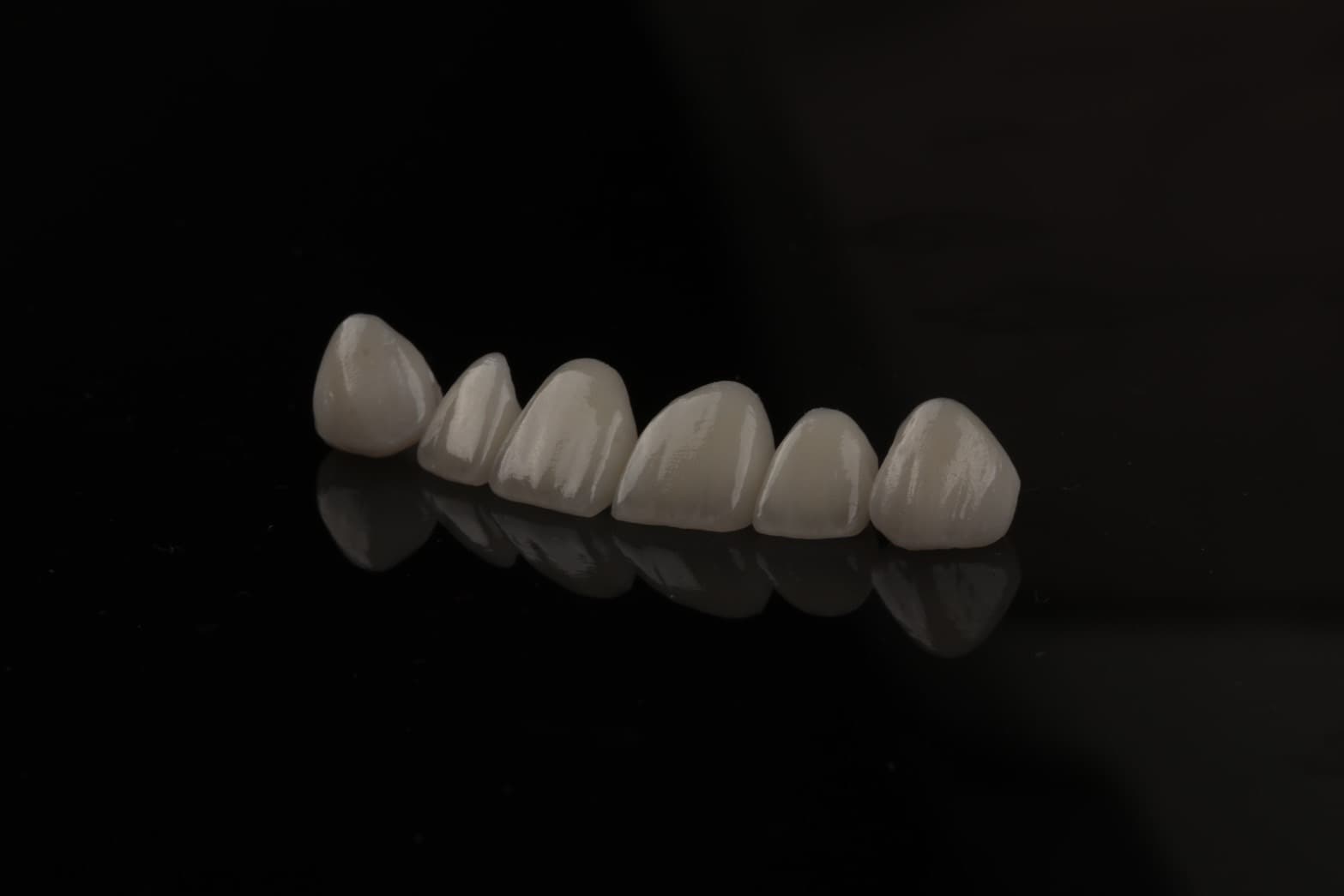
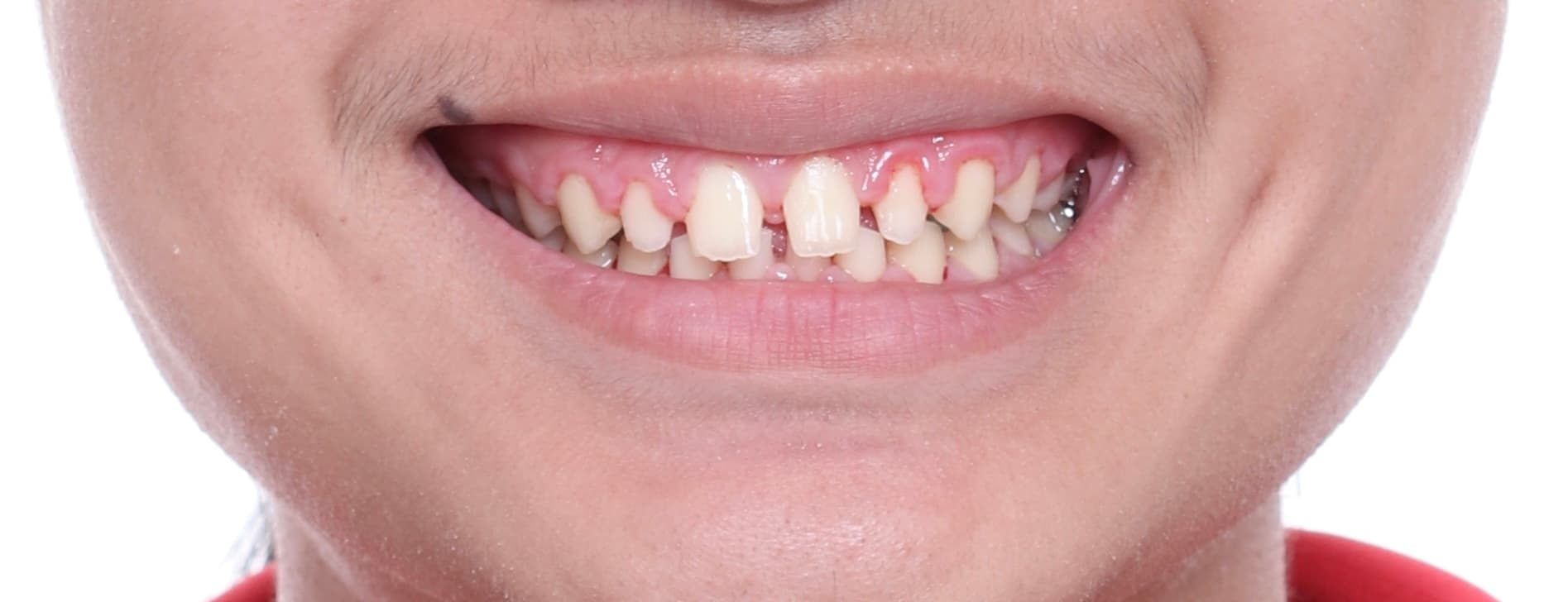
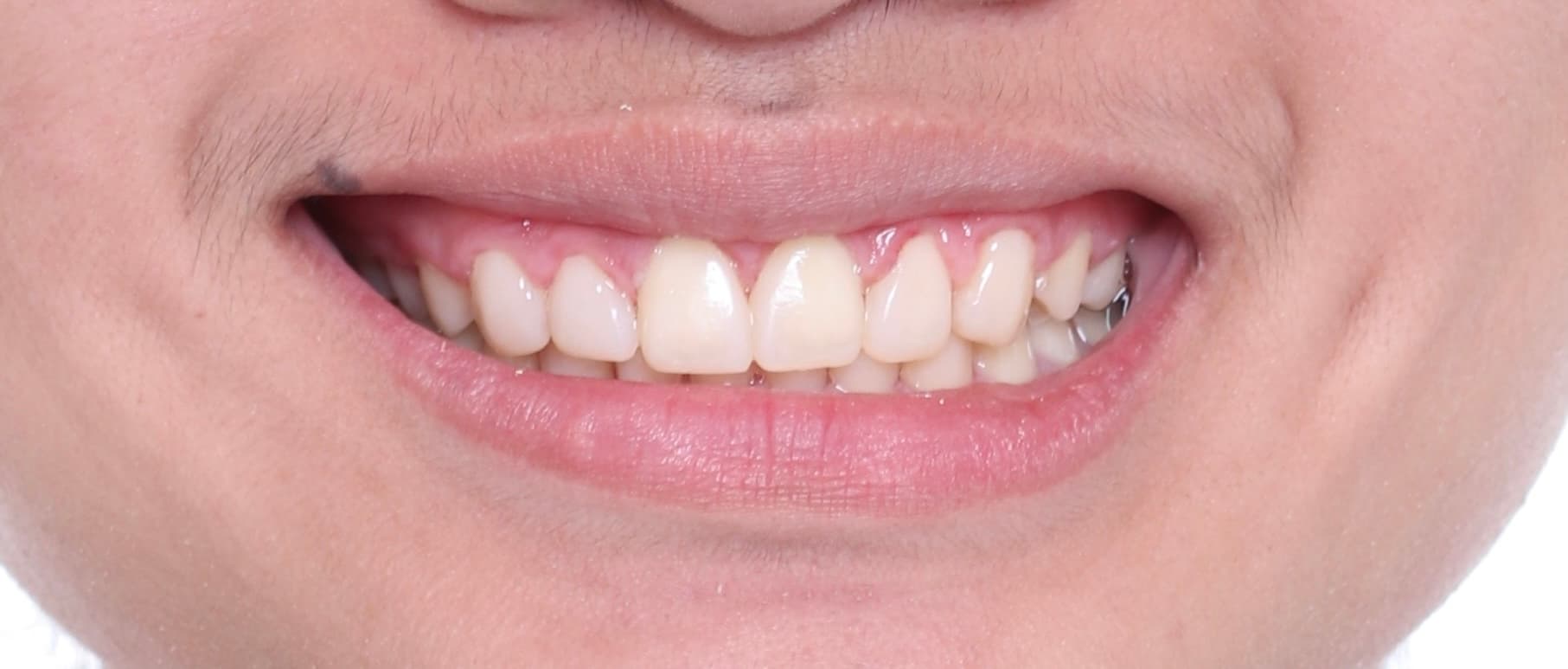
Veneers are thin shells designed with a color and shape similar to natural teeth, bonded to the front surface to hide cosmetic flaws — chips, cracks, discoloration that whitening hasn’t fixed, gaps, or uneven tooth shape — giving you a beautiful, natural-looking smile.
Types of Veneers
Type | Material | Lifespan | Key Features |
|---|---|---|---|
Ceramic Veneers (Porcelain) | Medical-grade porcelain | 10–15 years | Durable, color-stable, resists staining, made in a lab |
Composite Veneers | Composite resin | 5–7 years | Completed in one clinic visit, more affordable |
How Are Veneers Different From Crowns?
Veneers cover only the front surface of a tooth, requiring less tooth reduction, suited mainly to cosmetic concerns. Fixed crowns cover the whole tooth, requiring more reduction, suited to teeth with major structural damage, such as teeth that have had root canal treatment. Your dentist will recommend the right option after an exam.
Who Are Veneers Suitable For?
- Those with slightly chipped, cracked, or worn teeth
- Those with internal discoloration that whitening hasn’t helped, such as teeth that had root canal treatment
- Those with slight gaps who don’t want braces
- Those wanting a permanent improvement to tooth shape
Veneer Price at Panda Dental Clinic
[Enter Panda Dental Clinic’s actual price]
Price varies by number of teeth and case complexity. Free initial consultation and assessment at the clinic.
Veneer Treatment Steps
- Check teeth and gums to make sure there’s no decay or other issue first
- Consult with your dentist to choose shape, size, and color
- Light reduction of the tooth surface to prepare space (ceramic veneers only)
- Scan or take impressions to send to the lab, with a temporary veneer while you wait (ceramic case)
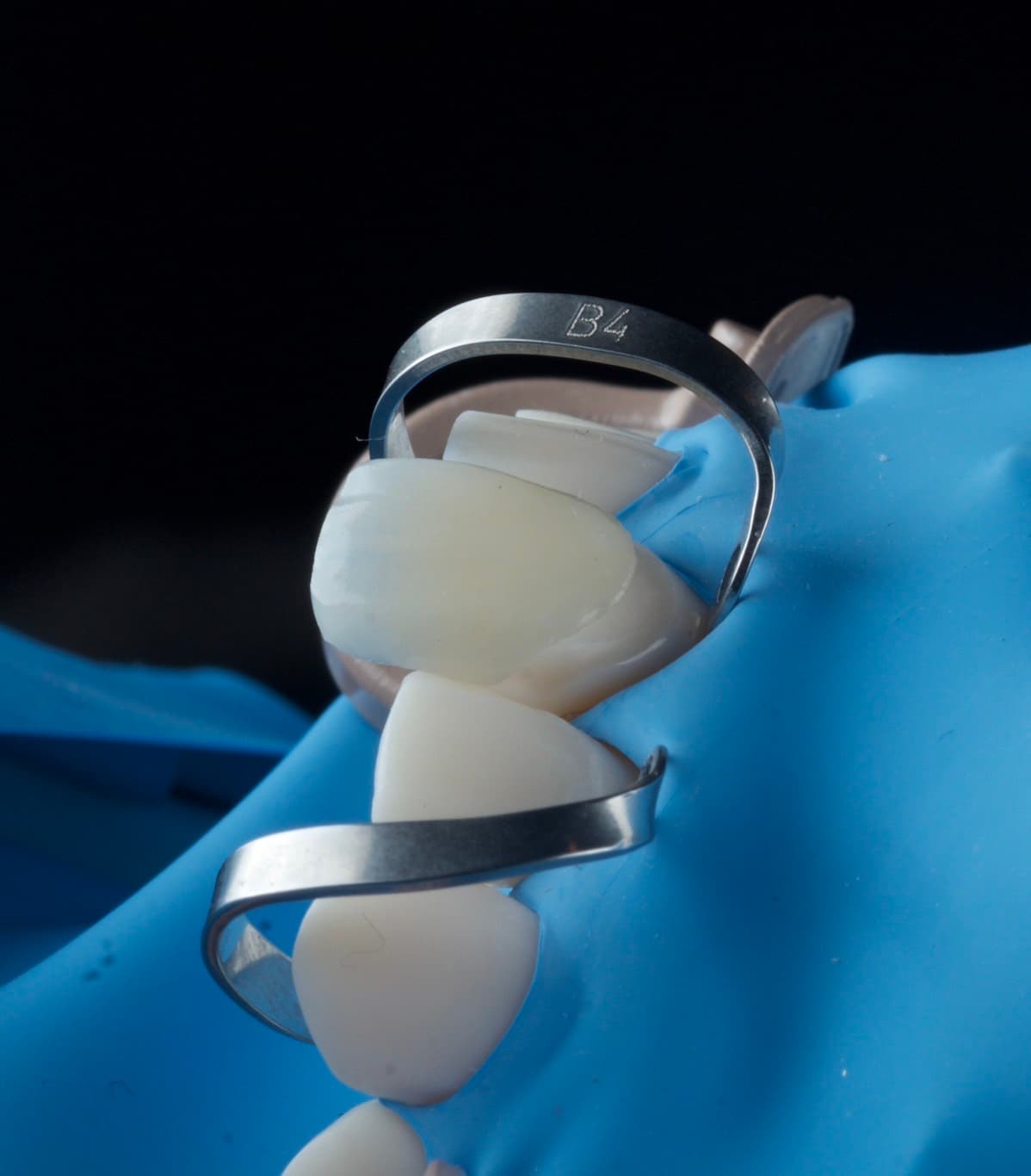
- Bond the final veneer to the tooth surface and check the fit
Does Getting Veneers Hurt?
Generally not much pain, since only a small amount of tooth is reduced. You may have temporary sensitivity after reduction or while wearing the temporary veneer, which improves once the final veneer is placed.
Caring for Your Teeth After Veneers
- Avoid biting hard things like ice or bones, or opening bottles with your teeth, to prevent cracking or chipping
- Brush and floss as usual
- Get regular checkups every 6 months so your dentist can check your veneers and gums
- Avoid biting your nails or pencils, which could damage veneers
Summary
Veneers are an option for a permanently more beautiful smile without much tooth reduction, suited to those with chipped, cracked, discolored, or uneven-shaped teeth. At Panda Dental Clinic Udon Thani and Nong Bua Lamphu, free consultation and assessment before you decide, or see all our dental services.